
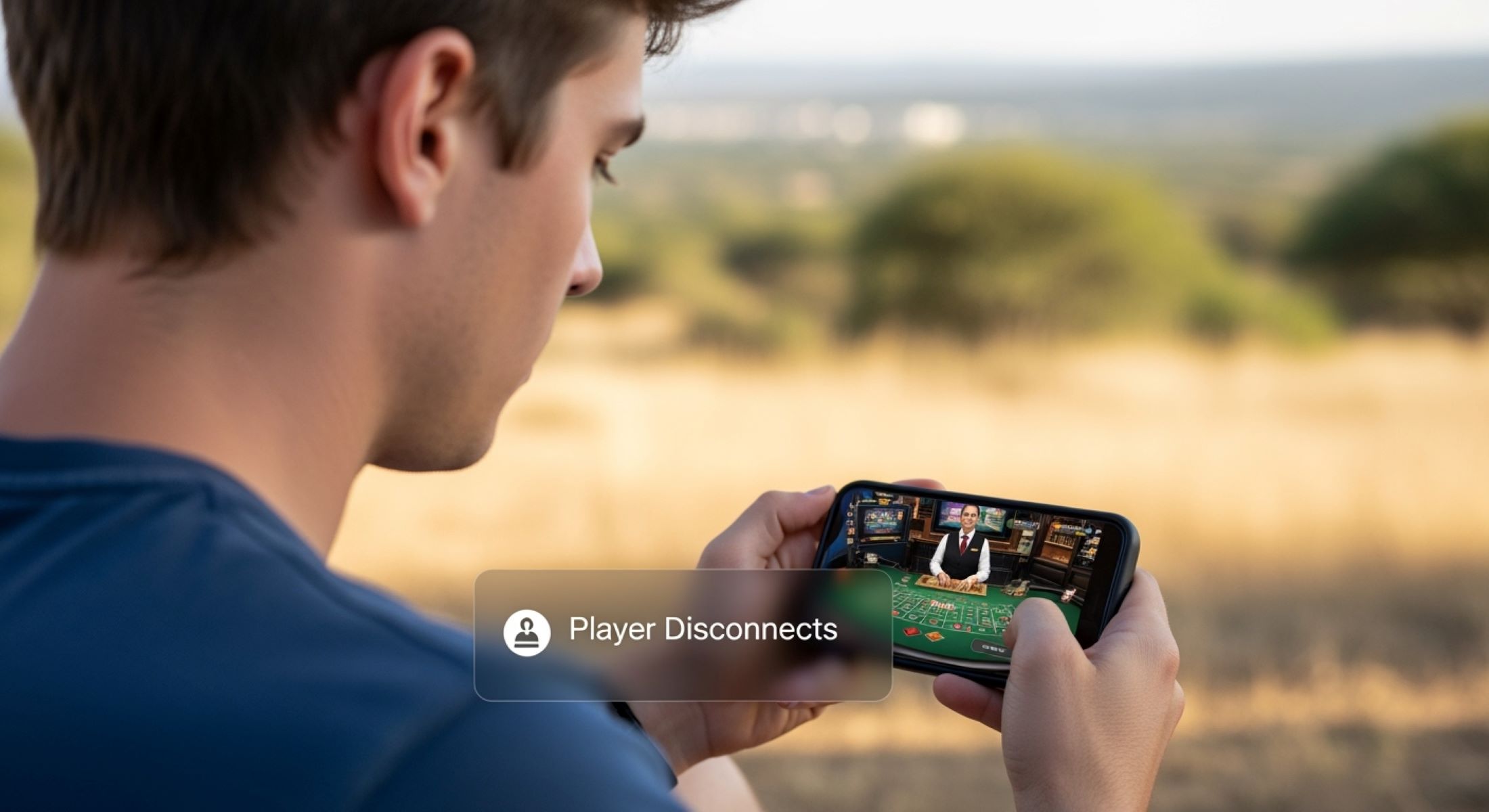
Ever been in the middle of an intense online game only to suddenly lose connection? If you’re a gamer in South Africa, you know how frustrating this can be. But what really happens if a player disconnects during a live game here? Online gaming has become hugely popular across South Africa, with millions tuning in for esports tournaments or just casual matches. However, stable internet and smooth gameplay can sometimes feel like a luxury.
Player Disconnects
A player disconnect occurs when a gamer unexpectedly loses connection to the game server during an active match. This interruption can be due to various reasons, ranging from technical faults to deliberate actions. In online multiplayer games, maintaining a stable connection is critical because disconnecting can disrupt the flow of the game for all players involved. While accidental disconnects due to glitches or network issues are often understood and forgiven, intentional disconnects — sometimes referred to as “rage quitting” — are generally frowned upon and may result in penalties.
In South Africa, where online gaming communities are growing rapidly, disconnects can be particularly frustrating given the already challenging internet infrastructure. When a player disconnects mid-game, it not only impacts their own performance and ranking but also often places their teammates at a significant disadvantage. Understanding what causes these disconnects and how they are handled is essential for both casual and competitive gamers.
Common Causes of Disconnects in South Africa
South Africa’s internet landscape poses some unique challenges that contribute to frequent player disconnects during live gaming sessions. One major issue is the inconsistent quality of broadband connections. Many areas, especially outside major cities, suffer from slow or unstable internet, which can lead to sudden connection drops. Additionally, regular power outages — a common problem in many parts of the country — can cause entire households, including gamers, to lose electricity unexpectedly, cutting off their gaming session abruptly.
Apart from infrastructure-related issues, hardware problems also play a big role. Outdated or poorly maintained devices, such as gaming consoles, routers, or computers, can fail mid-game, forcing a player offline. These combined factors create an environment where disconnects happen more frequently than gamers would like, making it essential to identify the root causes to better prevent and manage them.
Technical vs Non-Technical Disconnects
Disconnects can be broadly categorized into two types: technical and non-technical. Understanding the difference helps both players and game developers manage the issue more effectively.
- Technical Disconnects: These arise from problems related to technology or infrastructure. Examples include unstable internet connections, hardware malfunctions like faulty routers or overheating devices, and server-side issues where the game’s servers may crash or become temporarily unavailable. These types of disconnects are usually accidental and outside the player’s control.
- Non-Technical Disconnects: These involve disconnects that are often intentional or due to external factors not related to technology. For instance, players might quit a game deliberately if they are losing or frustrated. Other non-technical reasons include power outages or sudden personal interruptions that force a player to leave the match. While sometimes unavoidable, non-technical disconnects, especially intentional ones, tend to be penalized more heavily in competitive gaming environments.
Technical Reasons for Disconnects
Technical issues remain the most common reason for players disconnecting during live games in South Africa. These technical problems disrupt the connection between the player’s device and the game server, causing a sudden drop from the match.
Internet Instability and Bandwidth Issues
Many South African gamers depend on broadband connections that can fluctuate significantly throughout the day, especially during peak hours when many people are online. This fluctuation often results in bandwidth throttling, where the internet speed slows down, leading to lag and connection drops. High latency — the delay between sending and receiving data — also plays a big role. When latency spikes suddenly, the game server may lose connection to the player, causing a disconnect. Rural or underserved areas face even greater challenges with internet stability, making consistent gaming difficult.
Hardware Malfunctions
Apart from internet problems, hardware issues frequently cause disconnects. Aging or poorly maintained gaming equipment such as consoles, PCs, or routers can fail mid-game. Overheating due to long gaming sessions or inadequate cooling can cause devices to shut down unexpectedly. Loose cables, damaged network cards, or even power surges can abruptly disconnect a player from the server. Regular maintenance and hardware upgrades are necessary to minimize these disruptions.
Server Problems
Sometimes the fault lies not with the player but with the game’s own servers. Server outages or overloads can impact large numbers of players simultaneously, causing widespread disconnects. Server crashes or maintenance downtime during peak hours are especially disruptive for online matches. Although game companies strive to maintain stable servers, occasional problems still occur, frustrating players worldwide — including those in South Africa.
Non-Technical Reasons for Disconnects
While many disconnects occur due to technical failures, non-technical reasons also significantly contribute to players dropping out during live games in South Africa. These reasons are often related to player behavior or external factors that are outside the control of the game’s infrastructure.
Player Leaving Intentionally
One of the more frustrating non-technical disconnects is when a player deliberately leaves a game. This can happen for several reasons: to avoid losing ranking points, because of frustration, or simply to troll other players. Intentional disconnects damage the spirit of fair play and can ruin the experience for other gamers who remain in the match. In competitive environments, leaving early is usually seen as unsportsmanlike behavior and is subject to penalties.
Intentional quitting is a global issue but is particularly sensitive in South Africa, where competitive gaming is on the rise and many players rely on online rankings and reputation. This behavior can also affect team dynamics severely, leaving teammates short-handed and at a disadvantage, which further fuels frustration and can cause cascading disconnects from other players.
Power Outages
Power outages remain a common reality across many parts of South Africa due to challenges with the national power grid. Sudden load shedding or unexpected blackouts can abruptly cut off electricity to a player’s home, instantly disconnecting them from a live game. Unlike many technical disconnects, power outages are completely out of a player’s hands and can happen without warning, making it difficult to prepare or respond quickly.
These outages not only disrupt gameplay but also risk damage to hardware and data loss if proper backup solutions are not in place. South African gamers often invest in backup power options like UPS devices or generators to minimize these interruptions, but not all players have access to such solutions, leading to frequent disconnections during crucial moments in games.
Software Crashes
Sometimes, the cause of a disconnect isn’t external but internal to the game or device itself. Software crashes can happen when games encounter bugs, glitches, or compatibility issues, especially if the player is using outdated or unsupported software versions. These crashes forcibly close the game or cause it to freeze, resulting in an immediate disconnect from the match.
Game crashes can be incredibly frustrating because they often happen without warning and can lead to penalties or losses in competitive games if the player cannot reconnect fast enough. Developers usually release patches to fix such issues, but until those updates are applied by users, software crashes remain a significant cause of unintentional disconnects.
| Cause | Description | Impact on Gameplay | Common in South Africa Because… |
| Player Leaving Intentionally | Player quits mid-game to avoid penalties, frustration, or trolling. | Disrupts team, may lead to penalties or bans. | Growing competitive gaming culture, ranking stakes. |
| Power Outages | Sudden loss of electrical power cuts off all devices instantly. | Abrupt disconnection, potential data loss. | Frequent load shedding and grid instability. |
| Software Crashes | Game or device software crashes due to bugs or outdated versions. | Unexpected game closure, possible penalties. | Older hardware/software, inconsistent updates. |
Rules and Regulations in South African Online Gaming
Online gaming platforms and developers around the world, including those popular in South Africa, recognize that disconnects are a natural part of online play. To maintain fairness and competitive integrity, most games have clear policies regarding disconnects. These rules usually differentiate between accidental and intentional disconnects. Accidental disconnects caused by genuine technical issues tend to be met with leniency, especially if the player reconnects quickly. The goal is to avoid unfairly punishing players who face unavoidable problems beyond their control.
However, intentional disconnects are treated much more seriously. These rules ensure that players who quit games deliberately do not gain an unfair advantage or disrupt the experience for others. South African gaming communities often emphasize respect and sportsmanship, aligning with global standards set by major gaming platforms.
Penalties for Intentional Disconnects
Penalties for intentionally leaving a game vary depending on the platform, game, and severity of the offense. In many competitive games, a first offense may result in temporary bans from ranked matches or loss of ranking points. Repeat offenders face stricter consequences such as longer suspensions, loss of rewards, or even permanent account suspensions. These rules are designed to discourage players from quitting and to maintain a fair playing field.
In South Africa’s competitive scene, where many players rely on online gaming for tournaments and social reputation, penalties serve an important role. They protect serious players from those trying to exploit the system or disrupt matches. Transparent and consistent enforcement of these penalties helps build trust within the gaming community.
How Game Developers Handle Disconnects in Multiplayer Games
Game developers understand that disconnects are unavoidable to some degree, especially with the complex variables involved in online play. To reduce the negative impact, many games now include automatic reconnection features that allow players to quickly rejoin a match without penalty if their connection drops briefly. This helps minimize frustration and keeps gameplay fair.
Additionally, some multiplayer games implement pause functions or “grace periods” during which a match can be temporarily halted while a player attempts to reconnect. This is especially common in competitive or tournament settings, where every player’s presence is critical. Developers continually improve their servers and optimize network code to reduce disconnect frequency, working closely with ISPs and community feedback, including from South African gamers.