
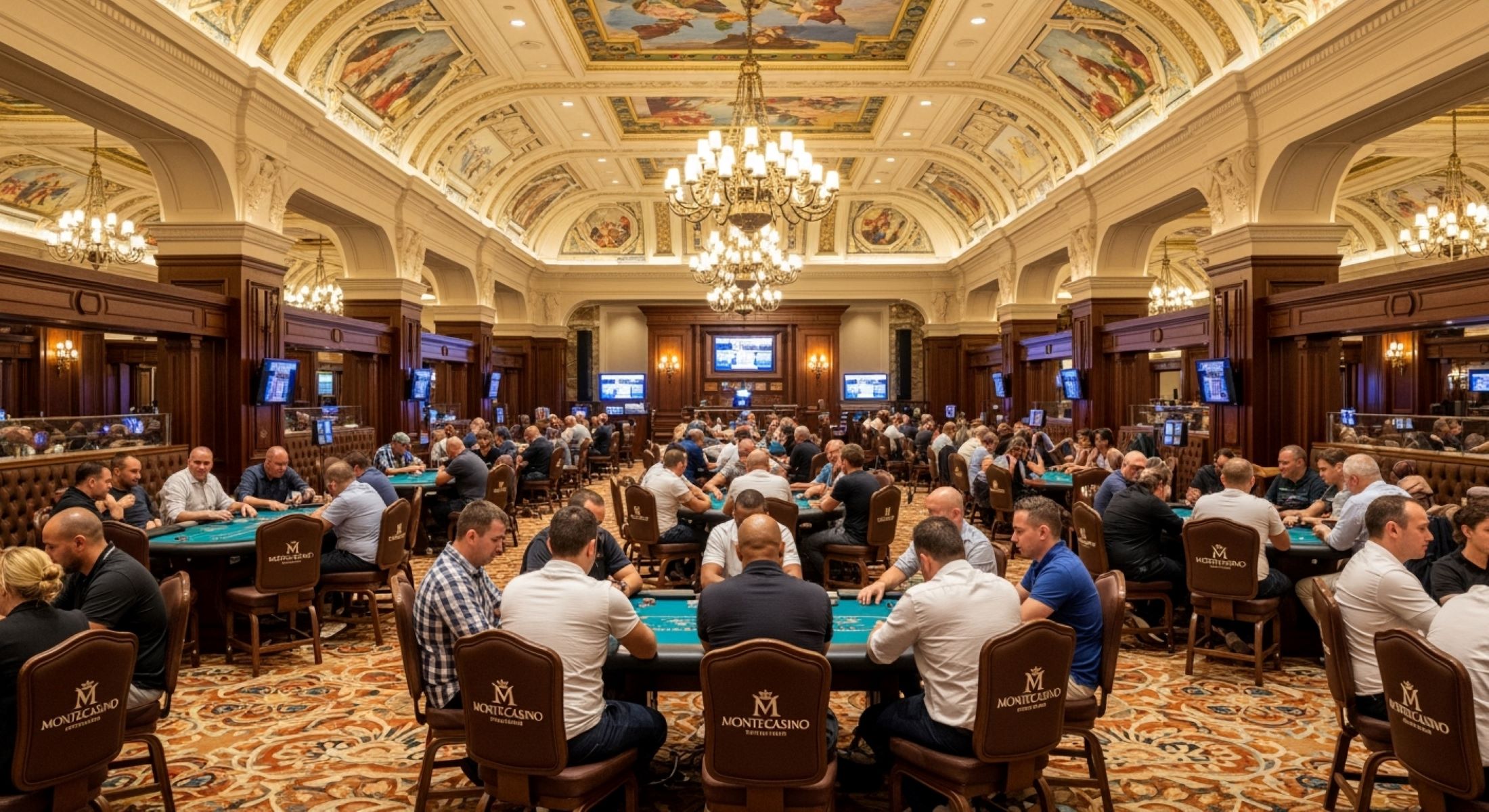
Poker is a game that has captured the hearts of many in South Africa, whether for casual fun or competitive play. But if you’re looking to join a land-based poker game, one question looms large: are there any legal land-based poker rooms in South Africa? Knowing the answer is crucial because playing in unregulated spaces could mean facing legal troubles or unfair gameplay. Let’s dive into South Africa’s gambling landscape to find out where poker stands legally.
South Africa’s Gambling Laws
The National Gambling Act
South Africa’s gambling landscape is primarily governed by the National Gambling Act, which was enacted in 2004. This legislation serves as the backbone for regulating gambling activities across the country. Its main purpose is to ensure gambling is conducted fairly, safely, and responsibly, protecting players from fraud or exploitation. The Act defines which types of gambling are legal and under what conditions, setting clear guidelines for licensing, operation, and enforcement. This framework helps create a controlled environment where gambling businesses can operate while safeguarding the interests of consumers and the public.
Role of the National Gambling Board (NGB)
The National Gambling Board (NGB) plays a crucial role as the national regulator responsible for overseeing the implementation of the National Gambling Act throughout South Africa. The NGB’s main tasks include issuing licenses, monitoring compliance with gambling laws, and ensuring that all gambling operations run fairly and transparently. It acts as a watchdog, coordinating with provincial gambling authorities to maintain consistency in regulation and prevent illegal gambling activities.
The NGB also advises the government on gambling-related policies and works to harmonize the regulatory environment across provinces. By maintaining a comprehensive database of licensed operators and enforcing standards, the NGB helps foster trust between gamblers, operators, and regulators. This central oversight is vital in a country where gambling is provincially regulated but needs a cohesive national framework to avoid loopholes and confusion.
Provincial Gambling Authorities and Their Jurisdictions
While the NGB sets the national legal framework, the actual licensing and day-to-day regulation of gambling activities fall under the jurisdiction of provincial gambling authorities. South Africa has nine provinces, each with its own regulatory body tasked with issuing licenses and overseeing casinos, betting shops, and other gambling venues within their borders. This decentralized approach means that gambling laws and enforcement can vary slightly from one province to another, reflecting local priorities and conditions.
For example, provinces like Gauteng, Western Cape, and KwaZulu-Natal have well-developed gambling industries with several licensed casinos and betting operators. These provincial authorities ensure that operators comply with both national laws and local regulations, including rules about poker and other casino games. This means if you want to understand where and how you can legally play poker, it’s essential to consider the province’s specific gambling authority and its regulations.
Legal Status of Land-Based Poker in South Africa
Understanding the legal status of land-based poker in South Africa is essential for anyone interested in playing the game on physical tables. Unlike some countries that have specific laws targeting poker rooms or poker halls, South Africa’s legislation treats poker primarily as a casino game. This means that the legal availability of land-based poker is closely tied to whether it takes place inside a licensed casino or an unregulated venue. Knowing this distinction helps players avoid illegal gambling spots and ensures they enjoy poker in a safe and lawful environment.
Is Land-Based Poker Explicitly Regulated
Interestingly, South African gambling law does not explicitly regulate “poker rooms” as a distinct category of gambling venue. Instead, poker is generally considered one of the games offered inside casinos and is subject to the same regulations that govern all casino activities. This means the legislation does not specifically address standalone poker rooms or poker-only venues.
Because of this legal framework, poker tables that exist inside licensed casinos are treated as part of the casino’s overall license and compliance requirements. However, if poker takes place outside this context—such as in a venue solely dedicated to poker or in a private club—it may not be recognized or regulated under the current laws. This lack of explicit regulation creates uncertainty about the legality of certain poker venues outside of casinos.
Key points about regulation include:
- Poker is regulated as part of casino gaming, not as a separate category.
- Land-based poker is legal only when offered within licensed casinos.
- No specific laws or licenses exist for standalone poker rooms.
- Poker activities outside licensed casinos may be illegal or unregulated.
The Distinction Between Casinos and Poker Rooms
There is a clear legal distinction between licensed casinos and standalone poker rooms in South Africa. Casinos are licensed gambling establishments that offer a wide variety of games, including poker, slot machines, blackjack, and roulette. Because they operate under comprehensive gambling licenses issued by provincial authorities, casinos must comply with strict rules regarding fairness, security, and player protection.
Poker tables within these casinos are fully legal, monitored, and regulated under the casino’s license. This ensures that players can trust the integrity of the games and enjoy the protections that come with official regulation.
In contrast, standalone poker rooms—venues that offer only poker games without the broader casino gambling options—do not currently hold legal licenses in South Africa. The existing laws do not provide a framework for licensing poker-only establishments. As a result:
- Casinos can legally operate poker tables as part of their overall license.
- Poker rooms that operate independently of casinos generally do not have legal licenses.
- Standalone poker rooms often operate without regulation or legal approval.
- Players should be cautious about attending poker-only venues that may be illegal.
Are Standalone Poker Rooms Allowed
As of now, purely land-based standalone poker rooms operating independently from licensed casinos are not legally licensed or regulated in South Africa. This means any venue that advertises itself as a dedicated poker room without the backing of a licensed casino or proper gambling license is likely operating illegally or in a legal gray area.
The consequences of this include:
- Legal risk for the operators, who may face penalties or closure.
- Potential legal risks for players, including fines or legal action.
- Increased chances of unfair practices, lack of transparency, and absence of consumer protections.
- No regulatory oversight, meaning there is no official body ensuring game fairness or player safety.
To stay safe and legal, players should:
- Prefer poker games inside licensed casinos.
- Verify the license status of any poker venue before playing.
- Avoid poker rooms that only offer poker without other licensed gambling services.
In summary:
- Standalone poker rooms are currently not permitted under South African gambling laws.
- Poker is legally played only within the licensed casino environment.
- Players should avoid unlicensed poker venues to prevent legal and financial risks.
Casinos Offering Poker in South Africa
Major Casinos With Poker Facilities
South Africa’s largest and most reputable casinos often feature poker rooms, making them the primary legal venues for land-based poker play. Casinos such as Montecasino in Johannesburg, GrandWest Casino in Cape Town, and Suncoast Casino in Durban are well-known for their poker offerings. These establishments hold full gambling licenses granted by their respective provincial authorities and operate under strict regulations. This licensing guarantees that the poker games they host comply with national gambling laws, ensuring fairness, security, and player protection.
These casinos have invested heavily in creating dedicated poker rooms where both casual players and serious competitors can enjoy the game. By offering a range of poker tables, from cash games to major tournaments, these venues attract poker enthusiasts from across South Africa and even internationally. The combination of official licensing and high-quality facilities makes these poker rooms trusted spaces for players looking to enjoy land-based poker legally.
Types of Poker Games Typically Available
Poker rooms in South African casinos tend to focus on popular variants that attract a wide player base. Texas Hold’em is by far the most common poker game you’ll find in these venues, given its global popularity and widespread appeal. Alongside Texas Hold’em, Omaha is another frequently offered variant, providing variety and different strategic challenges for players. These games are organized in both cash game formats and structured tournaments, offering options for all levels of players—from beginners to professionals.
Scheduled tournaments are a highlight in many casino poker rooms, often running weekly or monthly with guaranteed prize pools to attract serious competition. Cash games, on the other hand, offer flexibility for players who prefer shorter sessions or casual play. The availability of these games within fully licensed casinos ensures that all games are regulated for fairness, with rules enforced by casino staff and provincial gambling authorities.
Legal Restrictions Within Casinos
Casinos in South Africa must operate under stringent legal restrictions to protect players and uphold the integrity of the gambling industry. These include specific licensing requirements, limits on stake sizes, and comprehensive rules regarding responsible gambling. Poker tables within these licensed venues must adhere to these regulations, ensuring games are conducted fairly and transparently. This means all players can trust the environment and the operators to provide a safe gaming experience.
Government oversight involves regular inspections and audits to confirm that casinos comply with the National Gambling Act and provincial regulations. This oversight extends to the operation of poker rooms, where ensuring the legality of games and the fairness of dealing procedures are critical. As a result, players can feel confident that poker games at licensed casinos meet the highest standards of security and fairness.
| Casino Name | Location | Poker Variants Offered | Key Features |
| Montecasino | Johannesburg, Gauteng | Texas Hold’em, Omaha | Licensed, large poker room, regular tournaments |
| GrandWest Casino | Cape Town, Western Cape | Texas Hold’em, Omaha | Fully regulated, cash games and tournaments |
| Suncoast Casino | Durban, KwaZulu-Natal | Texas Hold’em, Omaha | Licensed, frequent poker events, secure setting |
Provincial Differences in Poker Room Regulations
Gauteng Province
Gauteng, the economic hub of South Africa and home to Johannesburg, boasts a mature and well-established gambling industry. The province has several licensed casinos offering poker facilities, making it one of the main centers for legal land-based poker in the country. Casinos such as Montecasino attract many players with their professional poker rooms, competitive tournaments, and well-regulated environments. Independent or standalone poker rooms are rare in Gauteng due to strict provincial enforcement of licensing requirements, making the casino poker rooms the safest and most reliable option.
The provincial gambling authority in Gauteng actively monitors and regulates all gambling venues to ensure compliance with national laws. This robust regulatory framework means that players can enjoy poker without worrying about illegal operations. It also helps maintain the integrity of the games by discouraging unlicensed poker rooms or underground games from operating in the province.
Western Cape Province
The Western Cape, home to Cape Town, is another major province where poker is offered legally within casino environments. Casinos like GrandWest provide regulated poker rooms with professional management and strong legal oversight. The province takes a firm stance against illegal gambling activities, often conducting raids and shutting down unauthorized venues that attempt to offer poker or other gambling without licenses.
This proactive enforcement makes the Western Cape one of the safest places to play poker legally. Players can trust that the poker rooms within licensed casinos are operating under strict rules, protecting them from fraud or unfair play. At the same time, the crackdown on illegal venues helps maintain a clean gambling market and supports the legitimate gambling economy in the region.
KwaZulu-Natal Province
KwaZulu-Natal, where Durban is located, follows national gambling laws closely with a clear emphasis on licensing casinos as the only legal venues for land-based poker. Casinos like Suncoast have become well-known hubs for poker enthusiasts due to their licensed status and professional poker offerings. The provincial gambling board ensures that these venues meet all necessary requirements to operate poker rooms safely and fairly.
Similar to Gauteng and Western Cape, KwaZulu-Natal does not permit standalone poker rooms outside of the casino environment. The focus on casinos helps maintain high standards of regulation, preventing illegal or unlicensed poker operations from taking root. For players, this means poker can be enjoyed in secure venues with oversight from the provincial regulator.