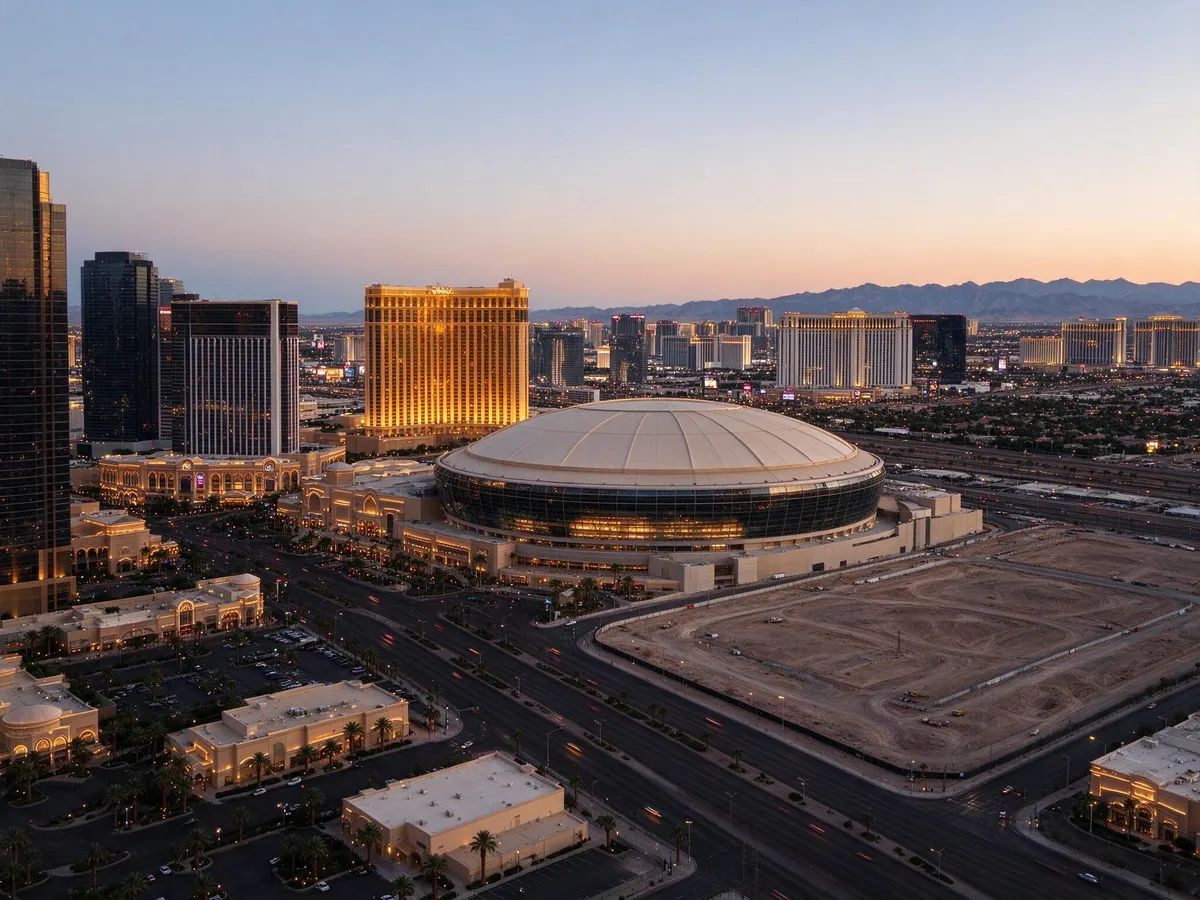
An integrated resort casino is mostly not a casino. That single fact explains the news out of Hokkaido: GGRAsia reports the prefecture has confirmed it will formally ask Japan’s national government to ease the MICE requirements attached to integrated resort development. Not the gaming rules. The convention hall rules. If you read “casino licence” and picture a dispute about slot machines and baccarat tables, you have misread what Japanese operators and prefectures actually argue about, and you will misjudge every IR headline for the next five years.
The gaming floor is the smallest room in the building
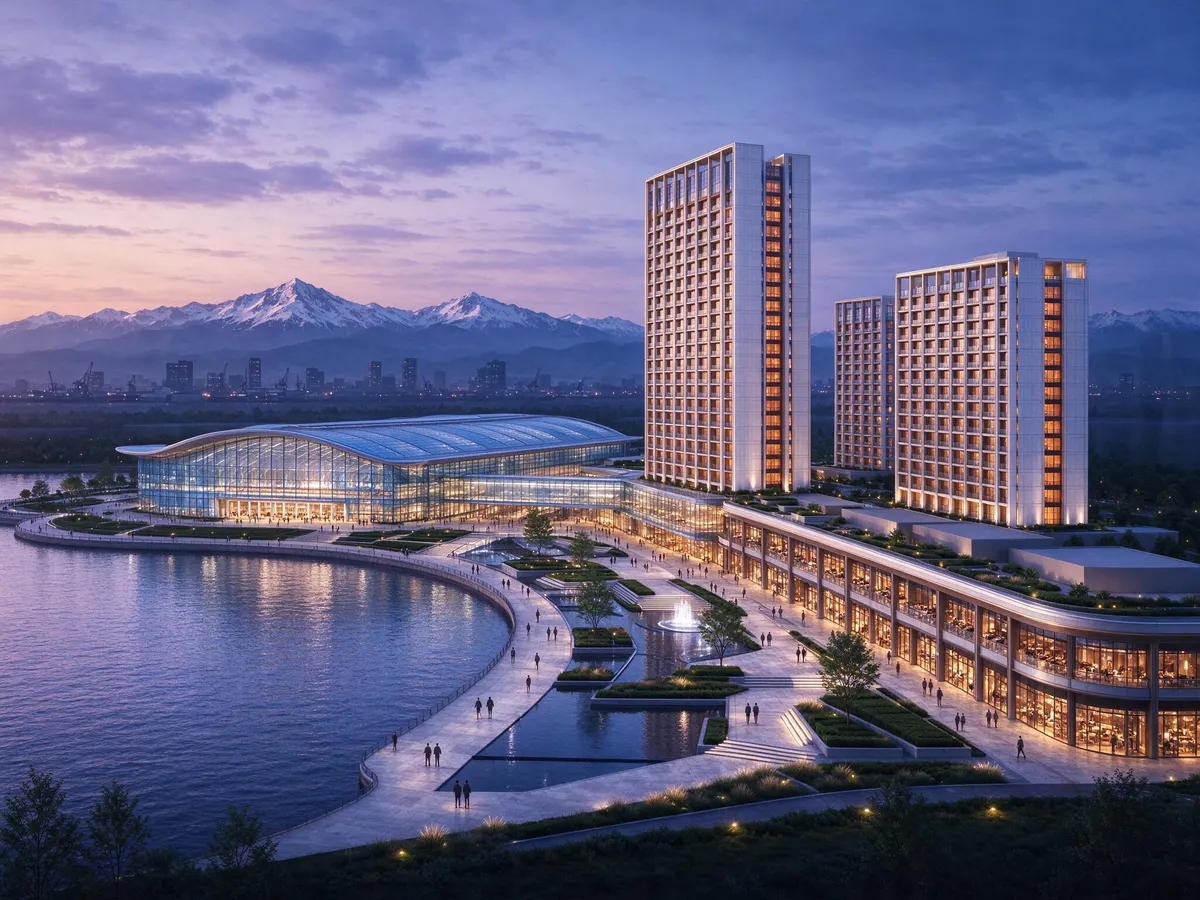
An integrated resort is a casino-anchored complex in which the casino occupies a deliberately small share of the floor plan, surrounded by hotels, convention and exhibition space, retail, restaurants and entertainment venues. Under Japan’s IR Implementation Act, the gaming area is capped at 3% of the resort’s total floor space. Everything else is the other 97%.
Marina Bay Sands in Singapore is the reference model most people recognise: three hotel towers, a rooftop pool, a museum, a theatre, a shopping mall and one of Asia’s larger convention centres, with a casino tucked into the basement levels. Macau’s Cotai resorts run the same playbook at larger scale, with arenas, theatres and exhibition halls layered over the gaming floors. A standalone casino sells gambling. An integrated resort sells a destination and uses gambling to pay for it.
That distinction is the whole reason the MICE argument exists. The advertised number in any IR announcement is the investment total, the hotel room count, the visitor projection. The term that qualifies it is the mandated non-gaming build: the exhibition halls and conference centres a licensee must construct and then fill, year after year, whether or not the demand shows up.
Where Japan’s rollout actually stands
Japan legalised casino gambling inside integrated resorts through two pieces of legislation, the 2016 IR Promotion Act and the 2018 IR Implementation Act, which together allow a maximum of three licences nationally. Prefectures bid; the national government certifies. Osaka is the only approved plan so far, a project led by MGM Resorts and Orix that has been reported as targeting an opening around 2030.
The rest of the field thinned out fast. Several prefectures that once studied bids withdrew, and Nagasaki’s Sasebo proposal was not certified. Japan has spent the better part of a decade legalising an industry that has so far produced one approved resort. That is the context for Hokkaido’s move: the second and third licences are still theoretically available, and the prefectures that might want them are telling Tokyo the entry conditions are too heavy.
What MICE requirements are, and why regulators write them into casino licences
MICE stands for Meetings, Incentives, Conventions and Exhibitions, the business-travel segment that fills hotel rooms midweek and in the off-season. Japan’s framework requires an IR licensee to build convention and exhibition facilities meeting national minimum standards for scale and specification, alongside the hotel, cultural and tourism-promotion components.
Regulators attach these conditions for a straightforward political reason. A casino on its own is a hard sell to a cautious electorate, and Japanese public opinion on gambling has never been warm. Mandated MICE facilities let the government present the licence as tourism and economic infrastructure, with non-gaming revenue and business visitors as the justification and the gaming floor as the financing mechanism. Singapore made the same bargain in 2005 and Macau’s 2022 concession renewals pushed the same way, binding operators to non-gaming investment commitments.
The catch is that convention centres are expensive to build, expensive to run and, unlike a casino floor, rarely profitable on their own. Operators accept them as the price of a licence. Where the mandated scale outruns the local demand base, the price stops penciling.
Hokkaido’s ask
Per the GGRAsia report, Hokkaido has confirmed it will ask the national government to relax those MICE requirements. The prefecture is not asking for more gaming capacity or looser casino regulation; it is asking for a smaller mandatory non-gaming footprint. Read that as a statement about viability. A bidder requesting relief on the convention component is signalling that, at the current thresholds, it cannot assemble a proposal an operator would finance.
What Hokkaido is actually selling
Hokkaido competes on nature, snow and food, not on corporate conference traffic. Niseko draws international ski visitors, Sapporo anchors the winter festival calendar, and the island’s appeal is seasonal and leisure-led. Osaka sits inside one of the world’s densest urban and business corridors with an international airport and an existing exhibition trade.
A convention hall sized for Osaka’s market makes little commercial sense in a destination whose peak demand arrives on ski lifts. Hokkaido also shelved an earlier bid centred on Tomakomai, so this is a region re-entering the process rather than starting fresh, and it knows what the previous attempt cost in time and political capital. Eased MICE thresholds would let it pitch a leisure-weighted resort: more hotel and entertainment, less exhibition space. Whether that still counts as an integrated resort under the law’s intent is exactly what the national government has to decide.
The wider contest for casino tourism in Asia
Hokkaido’s request fits a pattern of jurisdictions adjusting licence terms to attract or retain casino investment. The direction of travel differs by market, but the lever is usually the same: what operators must build and spend outside the gaming floor.
| Market | Licensing approach | Non-gaming obligation |
|---|---|---|
| Japan | Up to three licences; prefecture bids certified nationally | Mandated MICE, hotel and tourism facilities; gaming capped at 3% of floor area |
| Singapore | Two licences, awarded 2006, with a period of market exclusivity | Convention, retail and attraction components built into both resorts |
| Macau | Six concessions renewed in 2022 | Non-gaming investment commitments written into the concessions |
| Thailand | Entertainment-complex legislation debated, not enacted | Framework still unsettled |
Macau is the cautionary half of the story. After two decades as the world’s largest gaming market, it is being pushed by Beijing to diversify away from the baccarat tables that built it, which is the same policy instinct Japan encoded into its law from day one. Singapore demonstrated the model works when the host city already has the business traffic. Thailand’s long-running legalisation debate, and casino development elsewhere including the Gulf, mean Japanese prefectures are not bidding into an empty field. Investors have options, and they compare licence conditions before they compare ski seasons.
If you are tracking this as a traveller
Nothing opens because of this request. A prefecture asking for eased rules is at the earliest stage of a process that runs through national policy revision, a formal bid, operator selection, certification, financing and construction. Osaka’s approved project is years from welcoming guests, and it is the one that cleared every hurdle.
For casino resort travel planning, the practical read is that Japan will have one integrated resort before it has two, and the second depends on Tokyo agreeing that a smaller convention hall still serves the policy. Anyone treating a second or third Japanese IR as a scheduled destination is reading an aspiration as an itinerary. And whenever these resorts do open, the gambling inside them carries the same built-in house edge as anywhere else: the casino is the profit centre that funds the hotel towers, which only works because players lose more than they win over time. Set a budget before you walk in, and treat it as the cost of the trip rather than a way to pay for it.
What stays open is whether the national government sees the MICE mandate as negotiable at all. Loosen it for Hokkaido and the policy case that sold integrated resorts to a sceptical public gets thinner. Hold the line and the second licence may simply go unclaimed. That answer, not any casino floor plan, is the thing worth watching.