A 1.7% dip is not something anyone notices in the taxi queue at Changi. It is not a shorter line at immigration, not an emptier baccarat pit, not a cheaper hotel room. It shows up only in a spreadsheet, nine months after the fact. Which is roughly where the discussion of Singapore casino tourism usually goes wrong: the headline number moves, and everybody assumes the gaming floor moved with it.
What the arrivals data actually says
Singapore recorded 12.7 million international visitor arrivals from January to September, down 1.7% year on year, according to GGRAsia’s report on Singapore Tourism Board data. That is a cumulative nine-month total, not a single-month snapshot, so a weak quarter and a strong one are already netted against each other inside it.
Two things the figure does not contain. First, it is not a casino statistic: it counts everyone crossing the border for business, transit stays, family visits, conferences and holidays. Second, the reported release did not set out a full breakdown by source market or a stated cause for the softening, so any explanation for why arrivals eased is inference rather than fact. If someone tells you confidently which market caused it, ask where that came from.
For scale, Singapore drew roughly 19 million visitors across the whole of 2019, before the pandemic. A nine-month run rate of 12.7 million sits in the same broad territory as the post-reopening recovery, not in collapse. The direction changed. The order of magnitude did not.
Arrivals count heads, casinos count spend
A decline in headline arrivals does not translate one-for-one into lower gaming revenue, because gross gaming revenue is a function of how much each player wagers and how the house runs, not how many people clear passport control. The integrated resorts in Singapore serve both audiences at once, and the gaming business leans on the smaller, higher-spending slice.
Three variables sit between a visitor count and a casino’s earnings, and each can swing harder than 1.7%:
- Visitor mix. A conference delegate, a family at a theme park and a premium-mass player from the region all count as one arrival. They do not count the same on the gaming floor.
- Spend per visit. Average length of stay and discretionary budget move independently of headcount, and a single strong quarter of VIP volume can overwhelm a thinner mass-market month.
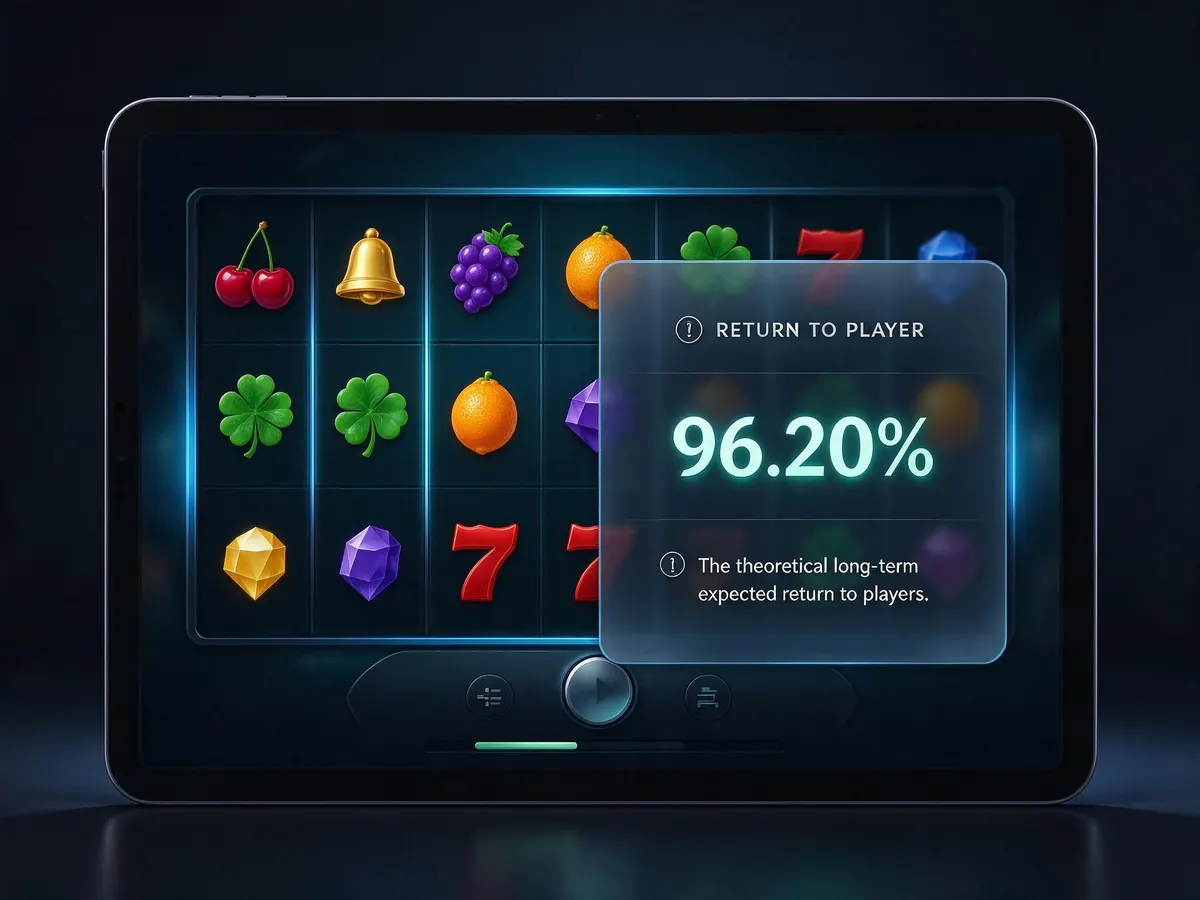
- Hold percentage. Table games pay out to a long-run mathematical average, but quarterly results reflect actual win rate, which drifts above and below that average. Operators routinely flag it as the reason a quarter looked better or worse than the underlying business.
This is the condition people forget to check. The honest reading of a 1.7% arrivals dip is that it tells you something about the top of the funnel and almost nothing about the bottom of it. Gaming revenue for Marina Bay Sands and Resorts World Sentosa is reported by their parent companies, and until those figures land, treat any confident claim about the casinos’ performance as speculation dressed as analysis.
Two resorts, two different exposures
Both properties depend on inbound tourism, but not in the same proportions, which is why a softer arrivals trend would not hit them identically.
Marina Bay Sands and the business-traveller base
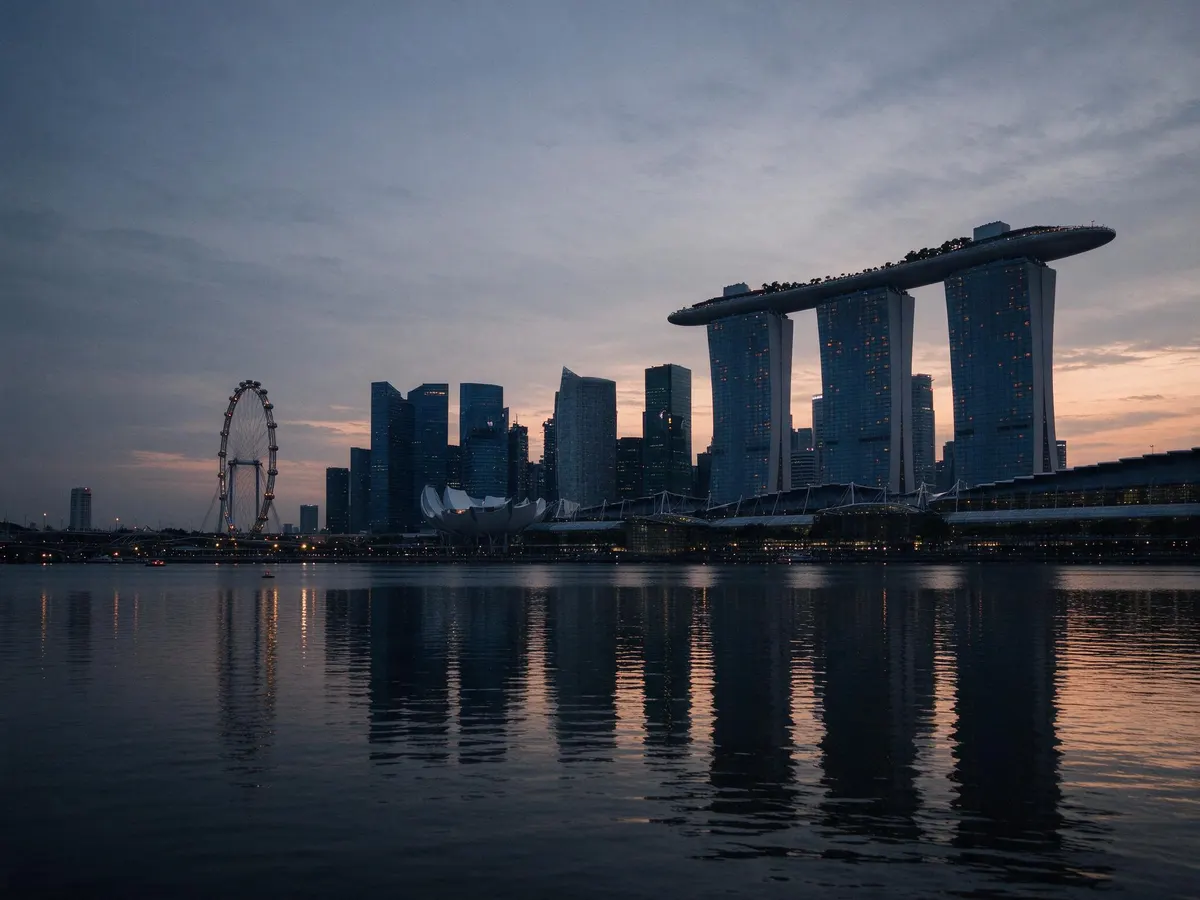
Marina Bay Sands sits on the downtown waterfront with a large convention and exhibition footprint attached to it, so its demand is weighted toward business travel, MICE events and regional premium players, alongside leisure guests. That mix is relatively defensive when general leisure arrivals soften, because conference calendars are booked months out. It is also more exposed to anything that dents corporate travel budgets across the region. The property has been working through a major expansion and hotel upgrade programme under Las Vegas Sands, which complicates year-on-year comparisons further: rooms taken offline for renovation change capacity independently of demand.
Resorts World Sentosa and the family-attraction mix
Resorts World Sentosa draws a larger share of its traffic from non-gaming attractions on Sentosa island, which skews its visitor base toward families and shorter regional leisure trips. That makes it more directly sensitive to the kind of discretionary travel a general arrivals dip reflects, and more responsive to the multi-billion-dollar expansion Genting Singapore has been rolling out, with new attractions intended to pull visitors who may never place a bet. Whether those additions offset a softer regional travel market is the open question, and nine months of border statistics cannot answer it.
| Property | Reported by | Primary non-gaming draw | Main arrivals sensitivity |
|---|---|---|---|
| Marina Bay Sands | Las Vegas Sands (US-listed, quarterly) | Convention and exhibition space, downtown retail | Business and MICE travel, regional premium play |
| Resorts World Sentosa | Genting Singapore (SGX-listed) | Island attractions and theme-park offering | Regional family and short-haul leisure travel |
Measured against Macau and the rest of Asia
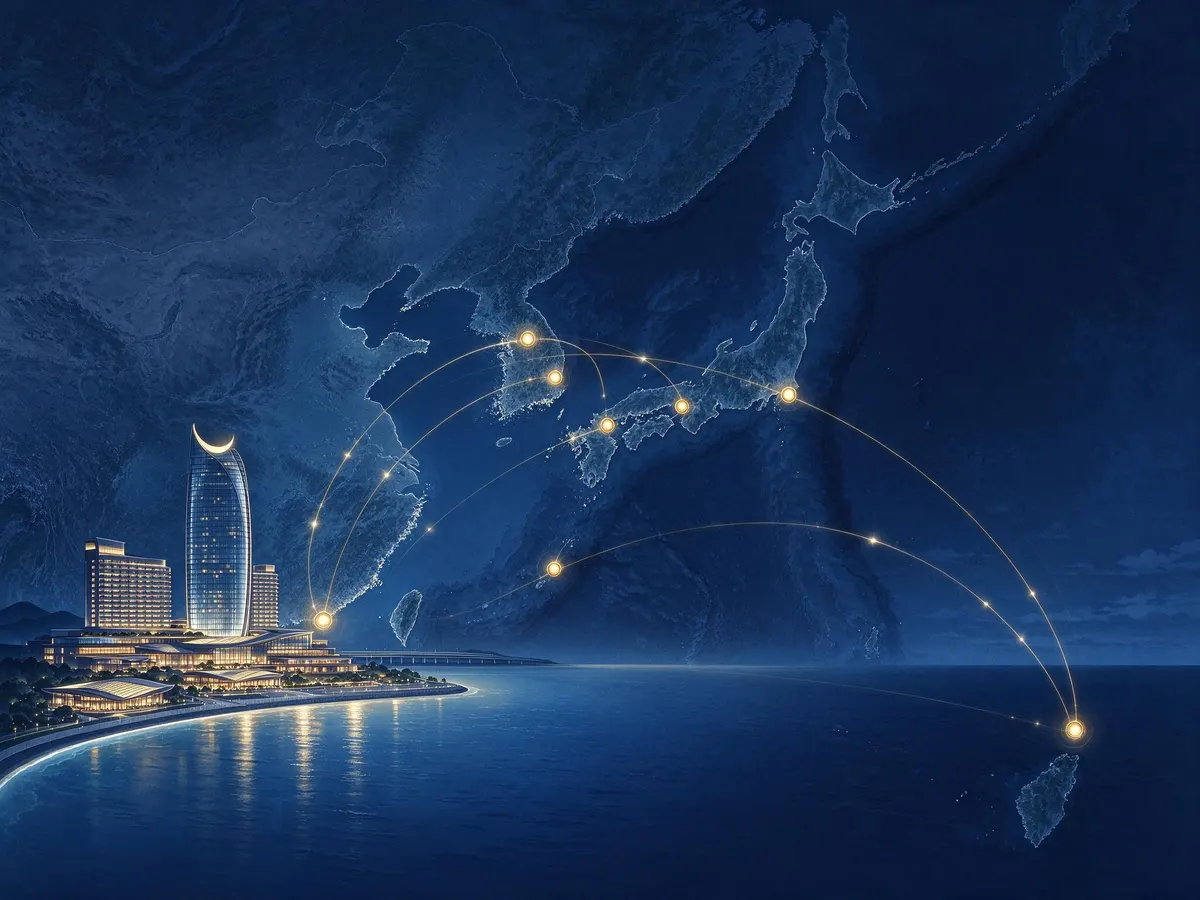
Singapore’s dip is a small wobble inside a regional recovery that remains incomplete rather than finished. Macau’s gross gaming revenue rebuilt strongly after travel restrictions lifted in 2023 but has stayed below its 2019 peak, and its recovery has been driven more by mass-market and premium-mass play than by the junket-fuelled VIP volumes of the previous cycle. Singapore, with two licensed operators and no junket model of comparable scale, was never running the same race.
The competitive picture is also shifting on a longer horizon. MGM’s integrated resort in Osaka is under construction for the end of this decade, and casino legalisation proposals elsewhere in Southeast Asia have advanced unevenly. None of that explains a 1.7% move in nine-month arrivals. All of it matters for where Asia’s casino tourists go in five years, which is the timeframe both Singapore properties are spending billions against.
If you are actually planning the trip
Practically, a 1.7% decline in arrivals changes nothing you will feel on the ground. It will not thin out a Saturday night gaming floor, it will not improve a single game’s odds, and it is not a reason to expect better rates. Hotel pricing in Singapore responds to event calendars, school holidays and room inventory far more than to a fractional shift in annual visitor totals.
What does affect your trip is the entry rule. Singapore citizens and permanent residents pay a casino entry levy of S$150 for 24 hours or S$3,000 for an annual pass; foreign visitors pay no levy but must present a passport at the door. There is no visitor version of that charge, and no tourism statistic alters it.
The underlying maths is unchanged too. Every game carries a house edge, the edge applies in Singapore exactly as it does anywhere, and quieter floors do not soften it. Set a loss limit before you walk in, treat the spend as entertainment, and use the resorts’ responsible-gambling resources or a self-exclusion option if play stops feeling like a choice.
The next data points that matter
Whether this is a trend or a blip depends on numbers that have not been published yet: the Singapore Tourism Board’s full-year arrivals and source-market detail, and the gaming and non-gaming revenue lines in the next Las Vegas Sands and Genting Singapore results. Those will show whether Singapore is receiving fewer visitors who spend the same, or the same visitors spending less, which are different problems with different fixes.
Until then, the defensible claim is narrow: arrivals eased slightly over nine months, and nobody has yet shown what that did to the casinos. Anyone extending it further is working from the same 12.7 million you are.